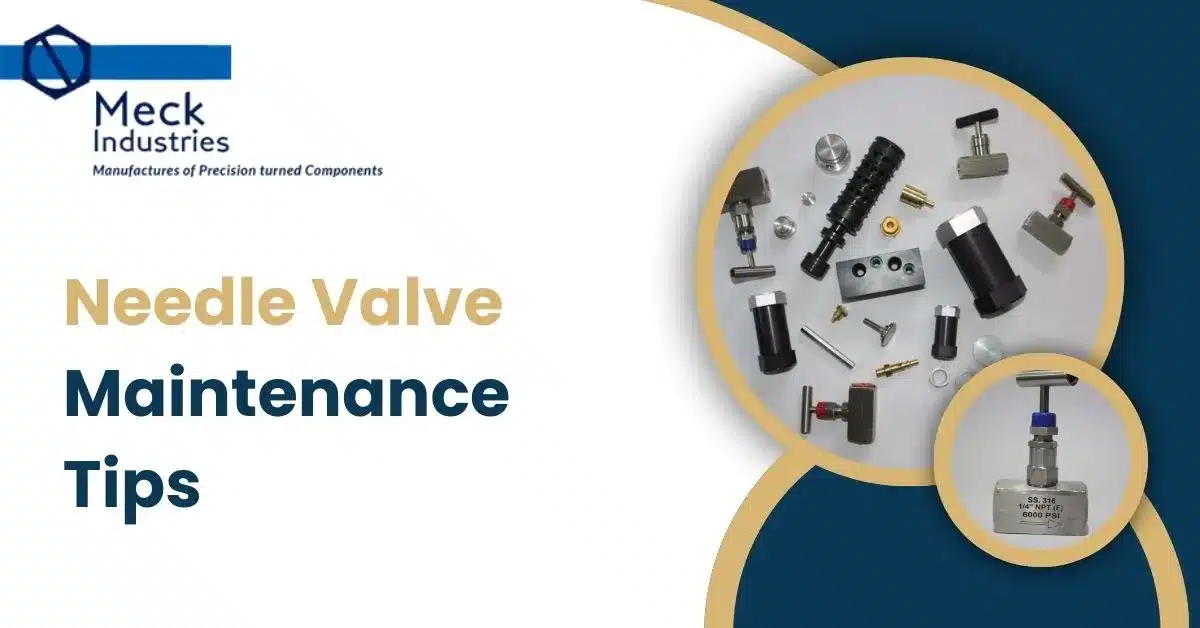
Needle valves play a crucial role in regulating precise fluid flow across various industries. To ensure smooth operation, safety, and extended lifespan, regular maintenance is essential. This guide covers the best needle valve maintenance tips, common issues, checklists, and expert insights to help you keep your valves functioning at peak performance.
Table of Contents
What is a Needle Valve & How Does It Work?
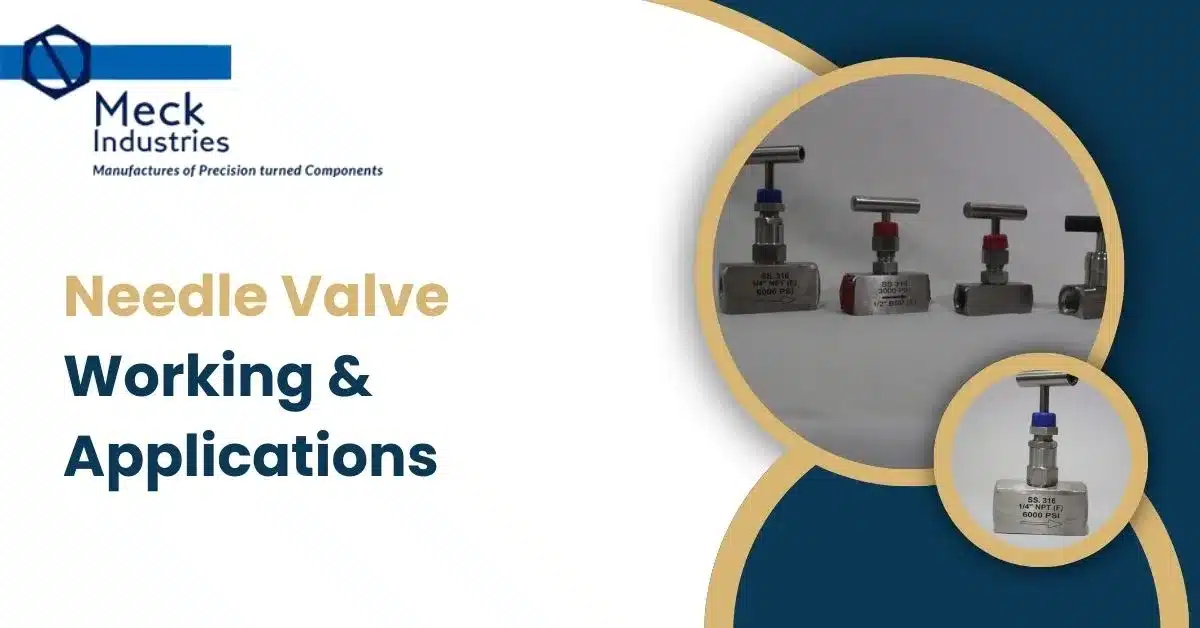
A needle valve is a precision control valve designed to regulate flow rate. It consists of a slender, needle-shaped plunger that fits tightly into a seat, allowing fine control of gases or liquids. Due to its accuracy and leak-proof design, needle valves are widely used in chemical plants, laboratories, refineries, and hydraulic systems.
Why Needle Valve Maintenance is Important?
Proper maintenance ensures the valve continues to operate efficiently without leakage or breakdown. Key benefits include:
- Leak-free performance
- Improved efficiency and accuracy
- Longer service lifespan
- Reduced downtime and repair costs
Common Problems Found in Needle Valves
Needle valves may encounter several issues over time, such as:
- Leakage due to worn-out seals
- Dirt and debris blockage
- Corrosion or rust buildup
- Hard-to-turn handles
- Damaged or worn valve seats
Identifying these issues early ensures timely repair or replacement.
Top Needle Valve Maintenance Tips
1. Conduct Regular Inspections
Check the valve body, handle, and connections for cracks, corrosion, rust, or surface damage. Early detection helps prevent major failures.
2. Clean the Valve Internally
Dirt and particles accumulate inside the valve, affecting flow. Disassemble carefully and use proper cleaning solutions to remove debris.
3. Lubricate Moving Components
Use recommended lubricants on the stem and threads to reduce friction, prevent sticking, and ensure smooth operation.
4. Tighten Fittings and Connections
Loose connections often lead to leakage. Ensure proper tightening but avoid over-torquing, which can damage threads.
5. Replace Worn-Out Parts
If seals, seats, or stems show signs of wear, replace them immediately. Using OEM-quality components ensures better performance.
6. Follow a Preventive Maintenance Schedule
Create a weekly, monthly, and annual maintenance plan to keep the system running efficiently.
7. Ensure Proper Storage
Store needle valves in clean, dry environments to prevent rust and contamination.
Looking to keep your needle valves running smoothly and leak-free? Contact us and get premium-quality valves from Meck Industries today!
Needle Valve Maintenance Checklist
| Maintenance Task | Frequency | Purpose |
| Visual Inspection | Weekly | Detect cracks, leaks, corrosion |
| Internal Cleaning | Monthly | Remove dust & debris buildup |
| Lubrication | Monthly | Improve movement & prevent sticking |
| Tightening Connections | Bi-Monthly | Reduce leakage risk |
| Replace Seals & Seats | Yearly | Restore sealing efficiency |
| Complete Overhaul | Annually | Improve performance & lifespan |
Signs Your Needle Valve Needs Replacement
You may need a replacement if you notice:
- Persistent leakage
- Excessive rust or pitting
- Hard or stiff stem movement
- Inconsistent flow control
- Visible cracks or heavy wear
Replacing the needle valve on time prevents system damage and operational failures.
Best Practices to Extend Needle Valve Life
- Use the valve within recommended pressure and temperature limits.
- Choose high-quality materials like brass, stainless steel, or copper.
- Install proper filters to block dirt or metal particles.
- Prevent chemical exposure by selecting compatible materials.
- Train operators to handle valves correctly.
Why Meck Industries Is a Trusted Name for Needle Valves
Meck Industries manufactures precision-engineered valves and components that deliver durability, accuracy, and long service life. With modern machinery, trained staff, and strict quality standards, Meck ensures superior products for various industrial applications.
Frequently Asked Questions
How often should a needle valve be maintained?
Needle valves should be inspected weekly and thoroughly serviced every 3–6 months, depending on usage and operating conditions.
What causes a needle valve to leak?
Leakage happens due to worn seals, loose fittings, corrosion, or dirt buildup inside the valve.
How do I clean a needle valve properly?
Disassemble the valve, remove debris using a suitable solvent, dry completely, and reassemble carefully.
When do I need to replace a needle valve?
Replace the valve if you notice excessive wear, stiff movement, frequent leaks, or corrosion.
Does lubrication improve needle valve performance?
Yes, proper lubrication reduces friction, prevents rust, and ensures smooth and accurate operation.
Conclusion
Regular needle valve maintenance is essential for ensuring accurate flow control, preventing leaks, and maximizing the efficiency of your industrial systems. By following proper inspection routines, cleaning methods, lubrication practices, and replacement guidelines, you can significantly extend valve lifespan and reduce unexpected downtime. Early identification of issues like corrosion, debris buildup, or worn seals helps avoid costly repairs and ensures smooth, uninterrupted operation.
With the right care and high-quality components, needle valves can deliver exceptional performance for years. And when you need reliable, precision-engineered valves, Meck Industries remains a trusted partner committed to quality, durability, and customer satisfaction.
Range of Products